

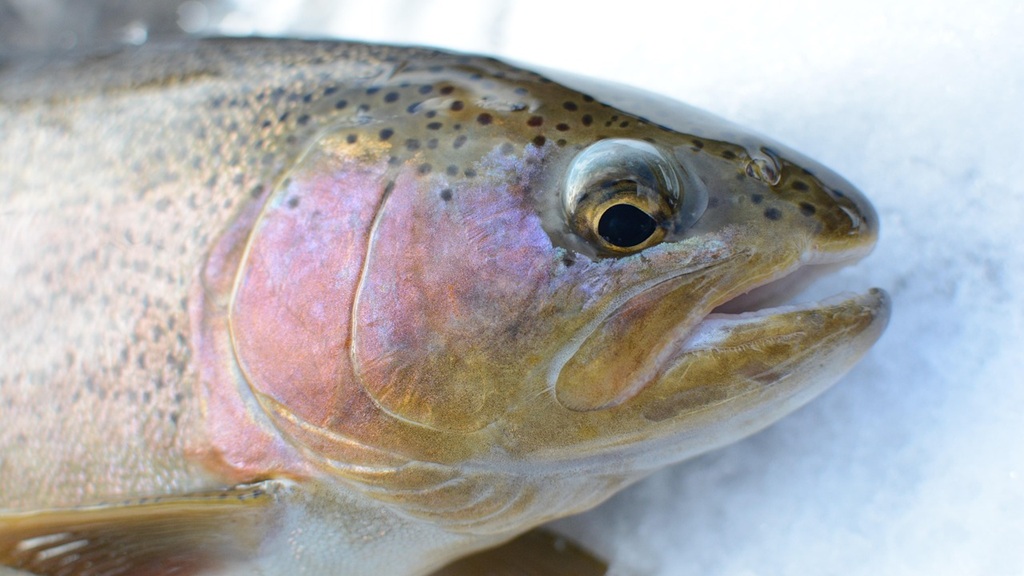
A new open-access study in Aquatic Toxicology investigates how exposure to two widespread off-flavor compounds—geosmin (GSM) and 2-methylisoborneol (MIB)—affects immune system gene expression in juvenile rainbow trout (Oncorhynchus mykiss). These terpenoid compounds are abundant in many aquatic environments and are best known for causing earthy, musty tastes and odors in water and seafood products. While their sensory effects have been extensively documented, the potential impacts of these compounds on fish immune function have remained poorly understood.
The researchers exposed juvenile rainbow trout to environmentally relevant and elevated concentrations of GSM and MIB for 24 hours, followed by an immune challenge using lipopolysaccharide (LPS) to simulate bacterial infection. After another 24 hours, liver and spleen tissues were sampled to measure expression of key immune-related genes using qPCR.
Results showed that both GSM and MIB exposure significantly altered the expression of multiple immune genes in a dose- and tissue-dependent manner. In particular, geosmin exposure led to notable down-regulation of liver genes involved in cytokine production (e.g., IL-4/13a, IL-12, TNFα), acute phase proteins, antimicrobial peptides, and markers for T and B lymphocytes. These changes suggest that GSM and MIB not only affect flavor perception but can also modulate innate immune responses in fish.
The findings provide first evidence that common off-flavor compounds may pose previously unrecognized immunological risks to aquatic organisms, especially in eutrophic waters where GSM and MIB concentrations can be high. This research underscores the importance of considering sub-lethal chemical exposures when assessing fish health and environmental quality.
For a detailed description of the methods, results, and scientific context, please refer to the full research article.